दैनिक बिक्री रिपोर्ट रेस्टोरेंट — Hindi Excel template + DSR भरने का तरीका
भारतीय रेस्टोरेंट के लिए दैनिक बिक्री रिपोर्ट (DSR) — हिंदी Excel template, भरने का step-by-step तरीका, और cash/UPI/card reconciliation का सही method।
Last updated 9 Aug 2026
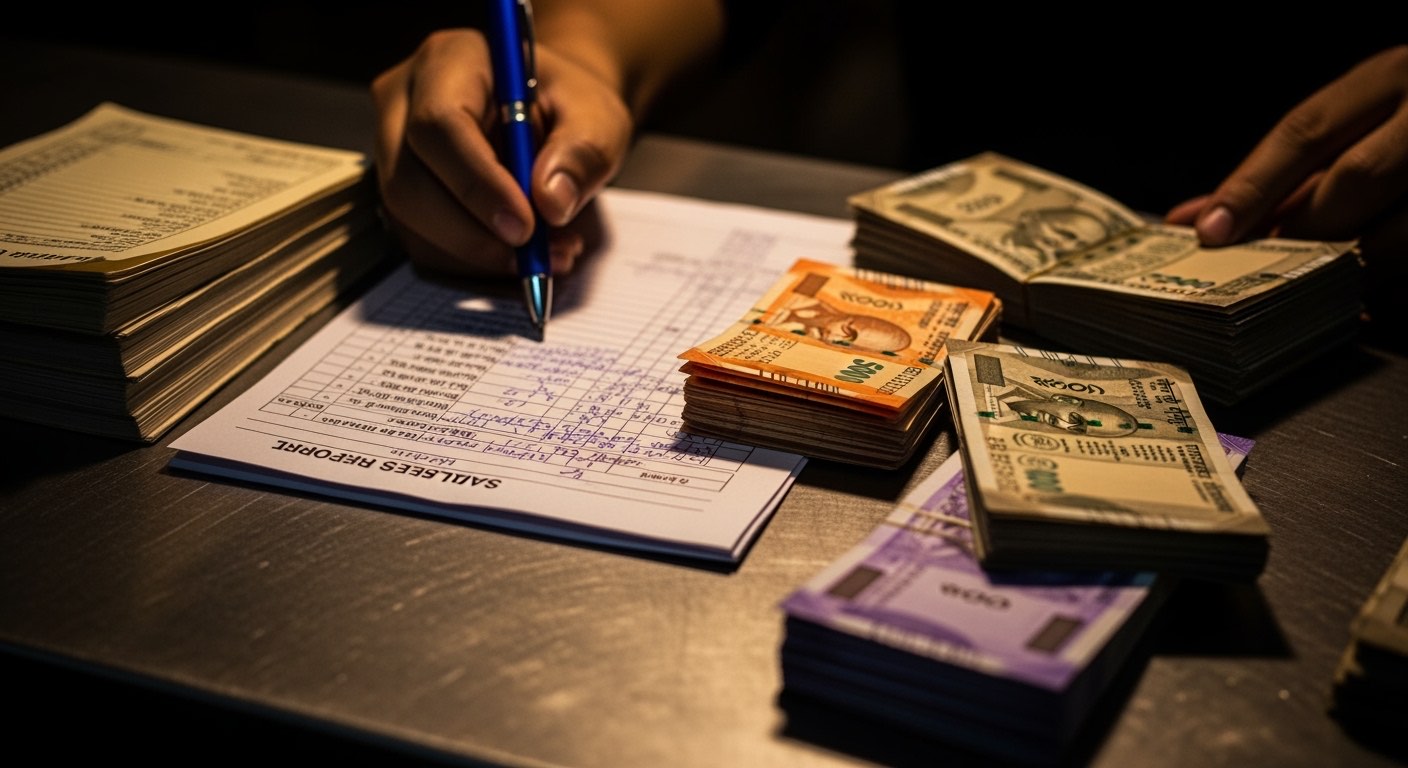
इस पीस के बारे में। दैनिक बिक्री रिपोर्ट (DSR) रेस्टोरेंट की वो single sheet है जो हर रात बंद होने से पहले भरी जाती है — दिन भर की sales, cash count, UPI/card settlement, petty spend, और variance। ज़्यादातर single-outlet owners इसे या तो नहीं भरते, या इतना complex template लेते हैं कि cashier 30 minutes लगाता है। यह पीस आपको आधी A4 sheet की DSR देता है जो 5 minutes में भरती है, और एक Hindi Excel template जो auto-reconcile करता है।
DSR क्यों ज़रूरी है (60 seconds में)
DSR तीन काम एक साथ करती है:
- दिन का cash + digital reconciliation। Counter पर जो sales दिखीं, वो actual में cash + UPI + card में कितनी आईं — match होनी चाहिए। Mismatch ही leakage signal है।
- End-of-day audit trail। अगली सुबह owner / accountant के लिए एक complete picture — कितनी sales, कितना petty spend, कितना deposit ready है।
- Weekly/monthly P&L का foundation। बिना daily DSR के monthly P&L accountant के पास Tally में बनती है — आपके पास real-time view नहीं रहता।
Public benchmarks (NRAI 2024 + Crisil F&B SME 2023) के अनुसार Indian SMB restaurants में unrecovered cash leakage 3%–8% revenue का होता है। बिना DSR के leakage तब दिखती है जब महीना ख़त्म हो चुका होता है। DSR रोज़ का detection है।
DSR में 12 fields जो ज़रूरी हैं
| # | Field | भरने का तरीका |
|---|---|---|
| 1 | Date | DD/MM/YYYY |
| 2 | Opening float (₹) | Imprest float fixed amount |
| 3 | Total POS sales (₹) | POS / bill book से |
| 4 | Cash sales (₹) | POS में cash mode total |
| 5 | UPI sales (₹) | POS में UPI mode total |
| 6 | Card sales (₹) | POS में card mode total |
| 7 | Aggregator sales (Swiggy/Zomato) (₹) | Aggregator dashboard से |
| 8 | Petty cash spend (₹) | PCV stack का total |
| 9 | Cash counted in drawer (₹) | Physical count |
| 10 | Expected cash (₹) | Opening float + cash sales − petty spend |
| 11 | Variance (₹) | Counted − Expected |
| 12 | Cashier sign + Manager sign | दोनों ज़रूरी |
Variance का formula याद रखिए:
Expected cash = Opening float + Cash sales − Petty spend
Variance = Counted cash − Expected cash
अगर variance positive है (counted ज़्यादा), तो कुछ बिना bill मारा गया है। अगर negative (counted कम), तो leakage या short payment है। ±₹50 acceptable; ±₹200 से ज़्यादा हो तो investigate।
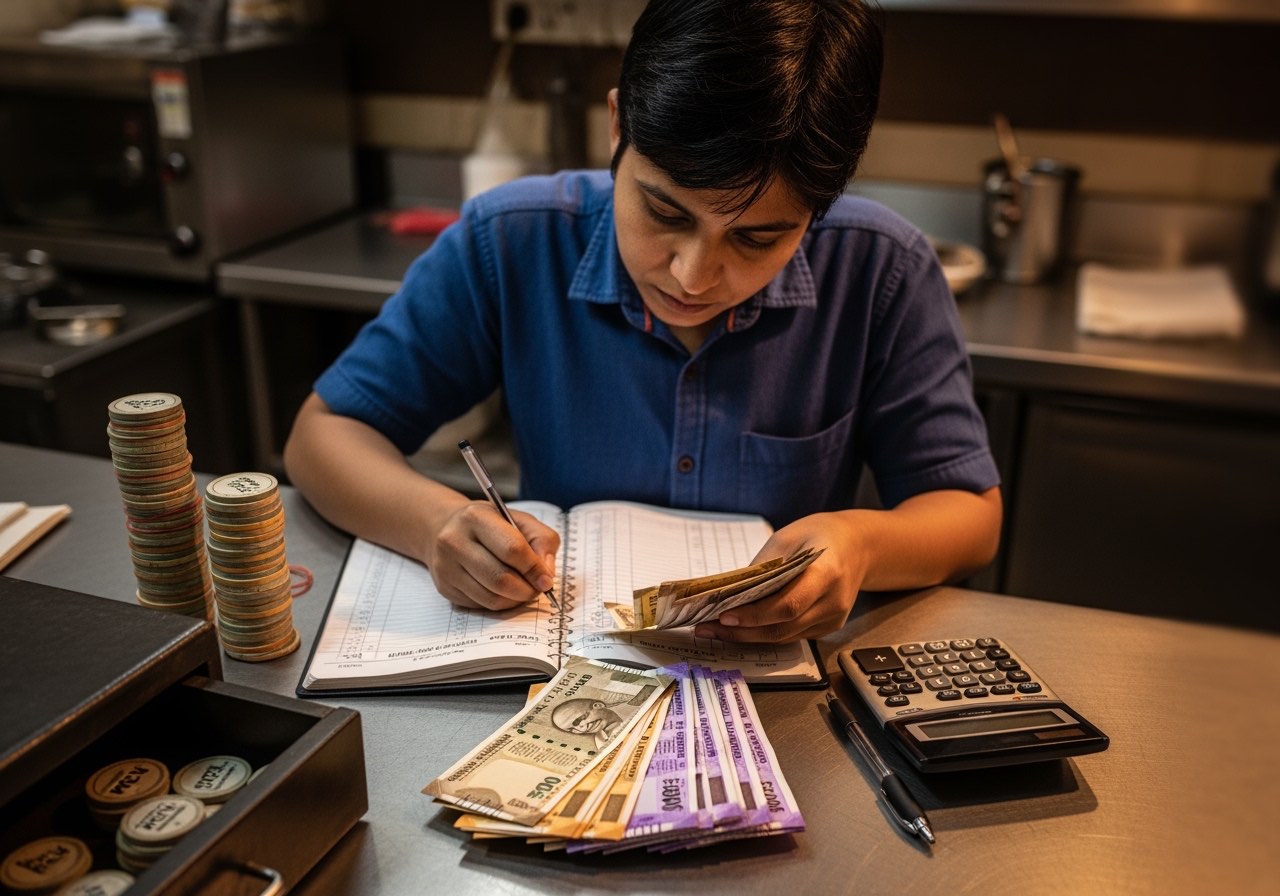
DSR format (आधी A4 sheet)
┌──────────────────────────────────────────────────────────┐
│  दैनिक बिक्री रिपोर्ट (DSR)                              │
│  [Outlet नाम]              दिनांक: ___ / ___ / ______    │
│                                                          │
│  A. Opening float          ₹ __________                  │
│                                                          │
│  B. Sales by mode:                                       │
│     1. Cash sales          ₹ __________                  │
│     2. UPI sales           ₹ __________                  │
│     3. Card sales          ₹ __________                  │
│     4. Aggregator sales    ₹ __________                  │
│     Total POS sales (B)    ₹ __________                  │
│                                                          │
│  C. Petty cash spend       ₹ __________                  │
│                                                          │
│  D. Expected cash in drawer                              │
│     = A + B1 − C           ₹ __________                  │
│                                                          │
│  E. Actual cash counted    ₹ __________                  │
│                                                          │
│  F. Variance (E − D)       ₹ __________                  │
│     □ Within ±₹50    □ Investigation needed              │
│                                                          │
│  G. Deposit ready (E − A)  ₹ __________                  │
│     (कल का opening float drawer में रहेगा)               │
│                                                          │
│  Cashier sign: __________   Manager sign: ___________    │
└──────────────────────────────────────────────────────────┘
भरने का step-by-step तरीका (शाम 11 बजे, 5 minutes)
- POS से sales numbers print कीजिए। Cash, UPI, card, aggregator — चारों modes अलग-अलग। Total मिलाइए।
- PCV stack का total निकालिए। दिन भर की vouchers rubber-band करिए, sheet पर total + count लिखिए।
- Cash count कीजिए। Drawer में जो भी notes + coins हैं, denominations-wise count — ₹500 × _, ₹200 × _, ₹100 × _, etc.
- Expected cash calculate कीजिए। Opening float + Cash sales − Petty spend। यही drawer में होना चाहिए।
- Variance लिखिए। Counted − Expected। ±₹50 within acceptable; outside → investigation।
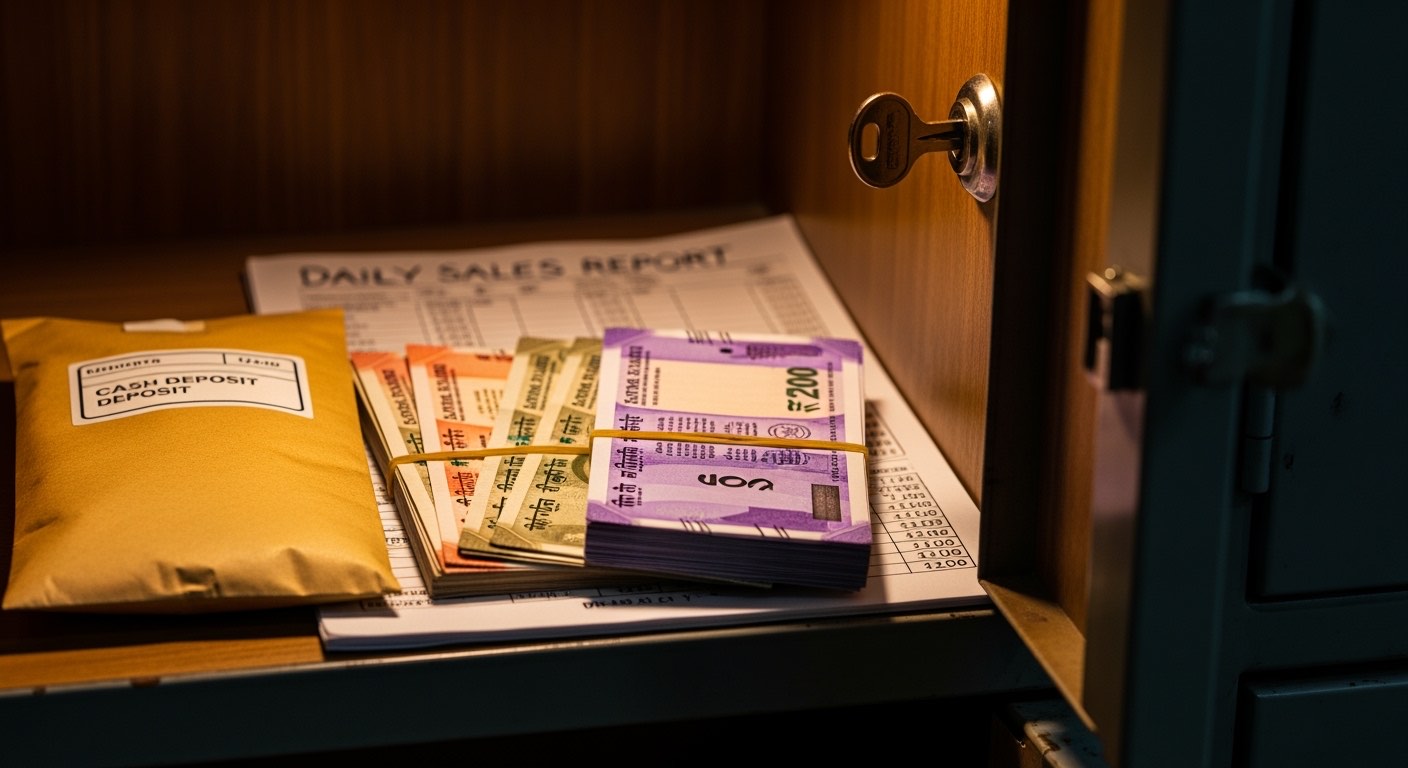
- Deposit envelope तैयार कीजिए। Counted cash − Opening float (कल के लिए float छोड़ कर बाकी)। Envelope पर date + amount + cashier sign।
- DSR + PCV stack + deposit envelope owner/manager के locker में।
Composite NCR outlet के owner ने पिछले साल manual DSR शुरू किया था — पहले हफ़्ते के 5 दिनों में 4 दिन variance ₹200 से ज़्यादा था। दूसरे हफ्ते cashier ने पूछना शुरू किया "सर, ये ₹40 का auto fare मैंने अपनी जेब से दिया था, इसका voucher बनाऊँ?" — यानी DSR की discipline ने एक process leak surface किया जो पहले invisible था।
तीन गलतियाँ DSR में
- Variance को normalise करना। "हर रोज़ ₹100 कम होता है, ये तो normal है" — यह leakage normalisation है। Variance दर्ज होना चाहिए, हर बार reason के साथ। तीन बार same pattern → investigation।
- Aggregator settlement को daily DSR में skip करना। Swiggy/Zomato अलग cycle पर settle करते हैं (7–14 days)। पर dispatch hue orders का record DSR में रोज़ होना चाहिए, वरना weekly P&L में gap रहेगा।
- Cash counted vs deposit envelope का mismatch। Cash count ₹15,400 आया, envelope में ₹12,400 गया — ₹3,000 कहाँ? Float! यानी कल के लिए float drawer में रहना है, बाकी deposit। Math साफ़ रखिए।
Excel template क्या extra करता है
Manual DSR सीख लीजिए — फिर Excel/Sheets template easier हो जाता है। Excel template में:
- Auto-calculation — Expected cash, variance, deposit — सब formulas।
- Conditional formatting — variance > ₹200 red flag, अगर 3 दिन में 2 बार positive variance तो auto warning।
- Monthly roll-up — हर दिन की DSR एक tab; मासिक tab सब को auto-sum करता है।
- Aggregator cycle tracker — Swiggy/Zomato dispatched vs settled track।
Excel सिर्फ़ tool है। असली value 5-minute शाम वाली discipline में है। Software पहले लाएँ, discipline बाद में — order उल्टा है।
DSR + PCV + Float — तीनों का loop
DSR daily cash loop का third document है:
- Imprest cash float — fixed working float (पढ़ें)
- पेटी कैश वाउचर — हर spend का audit trail (Hindi PCV format)
- दैनिक बिक्री रिपोर्ट — दिन का consolidated reconciliation (यही पीस)
तीनों एक साथ run करें — आपकी cash discipline 90th percentile में है, बिना software के। Restaurant Daily यही loop automate करता है, पर loop ज़रूरी है — software optional।
Download
- Excel template (हिंदी labels) — publish के साथ
- Google Sheets template — publish के साथ
- PDF pad (50 sheets per outlet) — publish के साथ
Email gate नहीं। Cluster की बाकी templates (PCV, advance ledger, weekly margin) चाहिए तो लिखिए।
Related on Restaurant Daily
One operator playbook a week, in your inbox.
Cash close, petty cash, payroll, compliance, unit economics — sent every Monday morning. No spam, no upsell drip. Unsubscribe in one click.
Sent from noreply@restaurantdaily.ai. We never share your address.
Related reading
रेस्टोरेंट का हिसाब कैसे करें — रोज़ाना cash, POS, deposit reconcile करने का guide
रोज़ाना रेस्टोरेंट का हिसाब कैसे करें — cash float, POS sales, Swiggy/Zomato payout, deposit slip और GST के लिए एक practical Hindi गाइड Indian operators के लिए।
Food truck daily cash close — 9-step protocol when there's no back-office
Food truck daily cash close — a 9-step protocol that runs from the truck's side hatch when there's no back-office, no till, and the operator is also the cook.
Daily sales report restaurant Excel — free DSR template (India)
Free daily sales report Excel + Google Sheets template for Indian restaurants — 18 fields covering tender modes, GST splits, refunds, advances, and weekly rollup.
Dhaba cash management when you're the single owner — paper-only system that passes audit
Dhaba cash management for the single owner-operator — a paper-only system that handles GST, Income Tax Rule 6DD, vendor udhaar, and still passes audit. No software.
Shift ke end mein cash kaise count karein — staff checklist (Hindi)
Shift ke end par cash count karne ka simple checklist — denomination, vouchers, POS Z-report, variance reason. Hindi-English mein, tired cashier ke liye.