Best POS software for small restaurants in India — 5 picks compared (2026)
Petpooja, Posist, Limetray, Toast, and Restaurant Daily POS compared for small Indian restaurants — features, pricing posture, hardware fit, and who each is built for.
Last updated 9 Aug 2026
Verdict in one paragraph
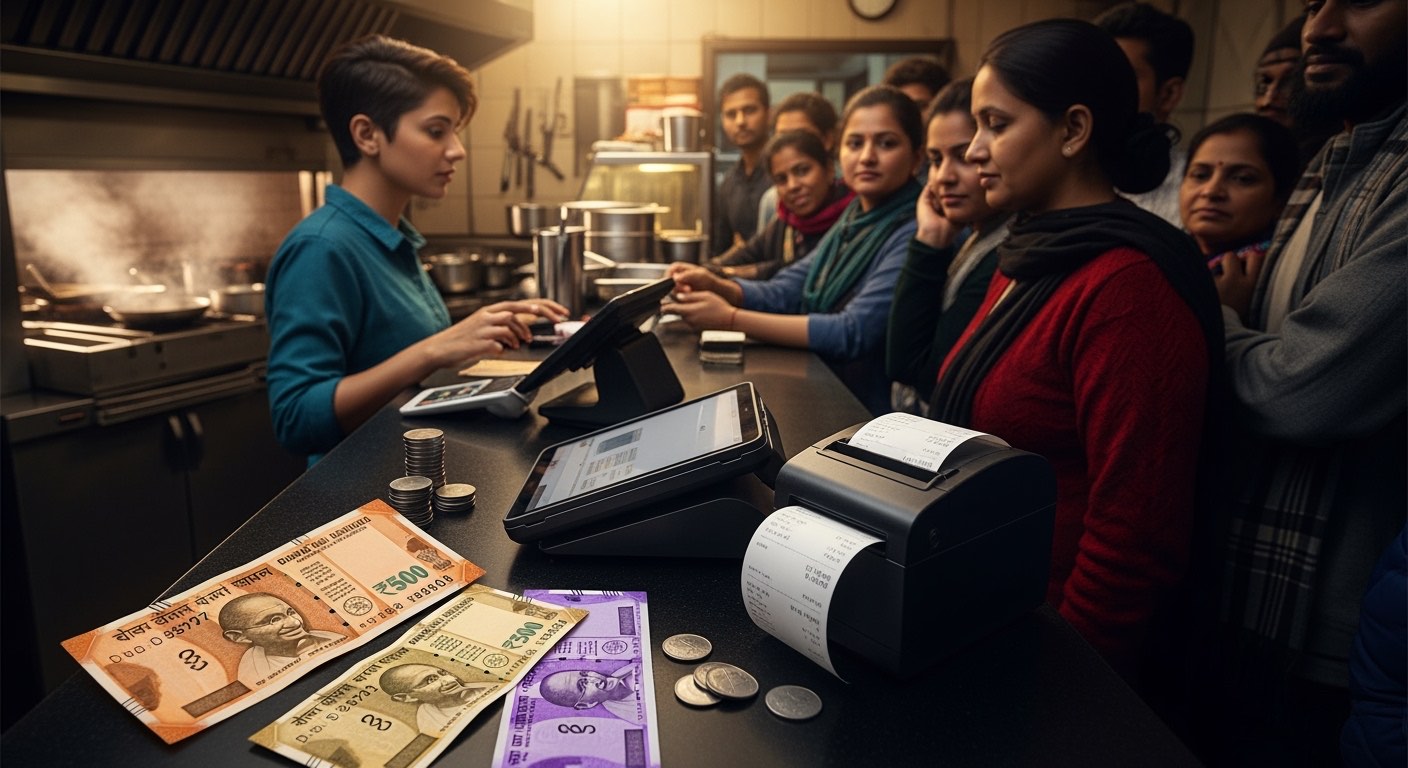
For a small Indian restaurant — single outlet, 20-60 covers, one or two billing counters — Petpooja is the safe default because the ecosystem is mature, the install base is large, and any local hardware vendor knows how to set it up. Posist and Limetray are stronger as you scale into mid-chain territory and want deeper inventory + CRM. Toast is a global product that lands well in upscale dine-in but is overkill for a typical 30-cover QSR. Restaurant Daily POS is the new entrant (2026) — narrower, daily-close-first, useful as a wedge if the existing POS is fine but the cash-and-reporting tail is broken. This piece walks the whole comparison honestly, including where each tool loses.
What "POS" actually means in a small Indian outlet
A POS in 2026 is not the till — it's the operating layer for the front of house. The minimum surface for a small outlet:
- Billing with KOT printing, tax split (CGST/SGST or IGST), discount logic, modifiers.
- Table or order management — dine-in / takeaway / delivery / aggregator.
- Payment integration — UPI, card, cash, wallets.
- Aggregator integration — Swiggy and Zomato menu push, order pull, settlements.
- Daily reports — DSR, item-wise sales, void/discount audit.
- Basic inventory — stock-out flags, recipe consumption.
- GST exports — invoice-wise data for the accountant.
Anything beyond that — CRM, loyalty, multi-outlet rollup, kitchen display, central kitchen logic — is on the "nice to have" side for a single small outlet.
The five-way comparison
| Feature | Petpooja | Posist | Limetray | Toast | Restaurant Daily POS |
|---|---|---|---|---|---|
| Origin | India (Ahmedabad) | India (Delhi NCR) | India (Gurgaon) | US (global) | India (2026, new) |
| Ideal segment | Single + small chain QSR/casual | Mid-chain, cloud kitchen, casual dining | Mid-chain, brand-led casual/QSR | Upscale dine-in, fine dine | Single + small chain, daily-close heavy |
| Aggregator integration | Strong (Swiggy/Zomato native) | Strong | Strong | Limited in India | Pull-only (Swiggy/Zomato CSV; native in roadmap) |
| Hardware ecosystem | Largest in India | Strong | Strong | Branded global hardware | BYOD (any Android/iOS tablet) |
| Inventory depth | Good | Strong | Good | Strong | Basic |
| CRM / loyalty | Available (paid) | Strong | Strong | Strong | Not in scope |
| Multi-outlet rollup | Available (paid) | Strong | Strong | Strong | Available (paid) |
| GST / compliance hooks | Strong | Strong | Strong | Less India-tuned | Strong (India-first) |
| Onboarding effort | Low — local installers | Medium | Medium | Medium-high | Low — self-serve |
| Vibes | Workhorse | Enterprise polish | Brand-friendly | Premium, global | Lean, daily-close-first |
Pricing — verify before purchasing
Pricing in this category changes constantly. We've watched all five vendors revise tariffs in the last 18 months. Treat the table below as direction-of-travel, not authoritative.
| Tool | Pricing posture | Where to verify |
|---|---|---|
| Petpooja | Per-outlet subscription, hardware separate | petpooja.com |
| Posist | Per-outlet, enterprise quotes for chains | posist.com |
| Limetray | Per-outlet, bundle with online ordering | limetray.com |
| Toast | Hardware + software bundle, global pricing | pos.toasttab.com |
| Restaurant Daily | Free tier + per-outlet paid | restaurantdaily.ai |
Publicly listed on the respective vendor sites — verify before purchasing.
What each tool does well — honestly
Petpooja
The default for a reason. Largest install base in India, ecosystem of trained installers in every Tier-1 and most Tier-2 cities, deep aggregator integration, training material in Hindi/regional languages, mature menu logic with modifiers and combos. If you walk into a hardware shop in Indore and say "POS chahiye," the first thing they install is Petpooja. That matters when something breaks at 9pm on a Saturday.
Loses on: the UI can feel like a workhorse — functional, not beautiful. CRM is bolt-on. Some operators describe the upsell layer as aggressive once you're on the platform.
Posist
Enterprise-grade. Strong inventory, recipe management, central-kitchen logic, multi-outlet rollups. Built for chains and cloud kitchens that need real backend depth. Excellent if you're already running 5+ outlets or planning to in 12 months.
Loses on: overkill for a single 30-cover outlet. Onboarding is heavier, and the per-outlet cost reflects the enterprise positioning.
Limetray
Brand-led restaurants love it — strong online ordering, loyalty, customer-facing flows. The ecosystem is built around the guest not just the till. Good middle-ground between Petpooja's workhorse and Posist's enterprise.
Loses on: less ubiquitous installer network outside metros. If you're in a Tier-3 city, support distance is longer.
Toast
A genuinely excellent global POS. Hardware is premium, kitchen display is best-in-class, reporting is mature. Lands well in fine-dine and upscale casual.
Loses on: India localisation (aggregator integration, GST exports, Hindi training material) is thinner than the homegrown options. Hardware bundle costs are higher. For a 30-cover QSR in a non-metro this is the wrong tool.
Restaurant Daily POS
New (2026). Built India-first around the daily-close workflow — float reconcile, denomination sheet, deposit slip, DSR, multi-outlet rollup. BYOD on any tablet. Free tier exists. The POS layer is leaner than the four above on day one — fewer integrations, no native aggregator push yet, no kitchen display.
Loses on: it is a newer product with a smaller install base, narrower integrations, and the support network is online-only. For a complex multi-counter dine-in you want the mature option.

Who should pick which
- Pick Petpooja if you want the default, the largest installer network, the path of least resistance for a small Indian QSR or casual outlet.
- Pick Posist if you have 3+ outlets, a cloud kitchen, or want enterprise-grade inventory from day one.
- Pick Limetray if you're a brand-led concept where the guest-side flow (loyalty, online ordering, table booking) is part of the offer.
- Pick Toast if you're upscale dine-in / fine-dine and willing to pay for premium hardware + global polish.
- Pick Restaurant Daily POS if your existing POS works but the daily-close, deposit, and multi-outlet rollup are paper or chaos — wedge it in there, don't rip out a working POS to use it.
Hardware notes for small outlets
A small Indian restaurant POS lives or dies on the hardware stack. The setup that survives a 12-hour shift:
- Thermal KOT printer — 80mm, network-connected, auto-cutter. Tag it to the kitchen station, not just billing.
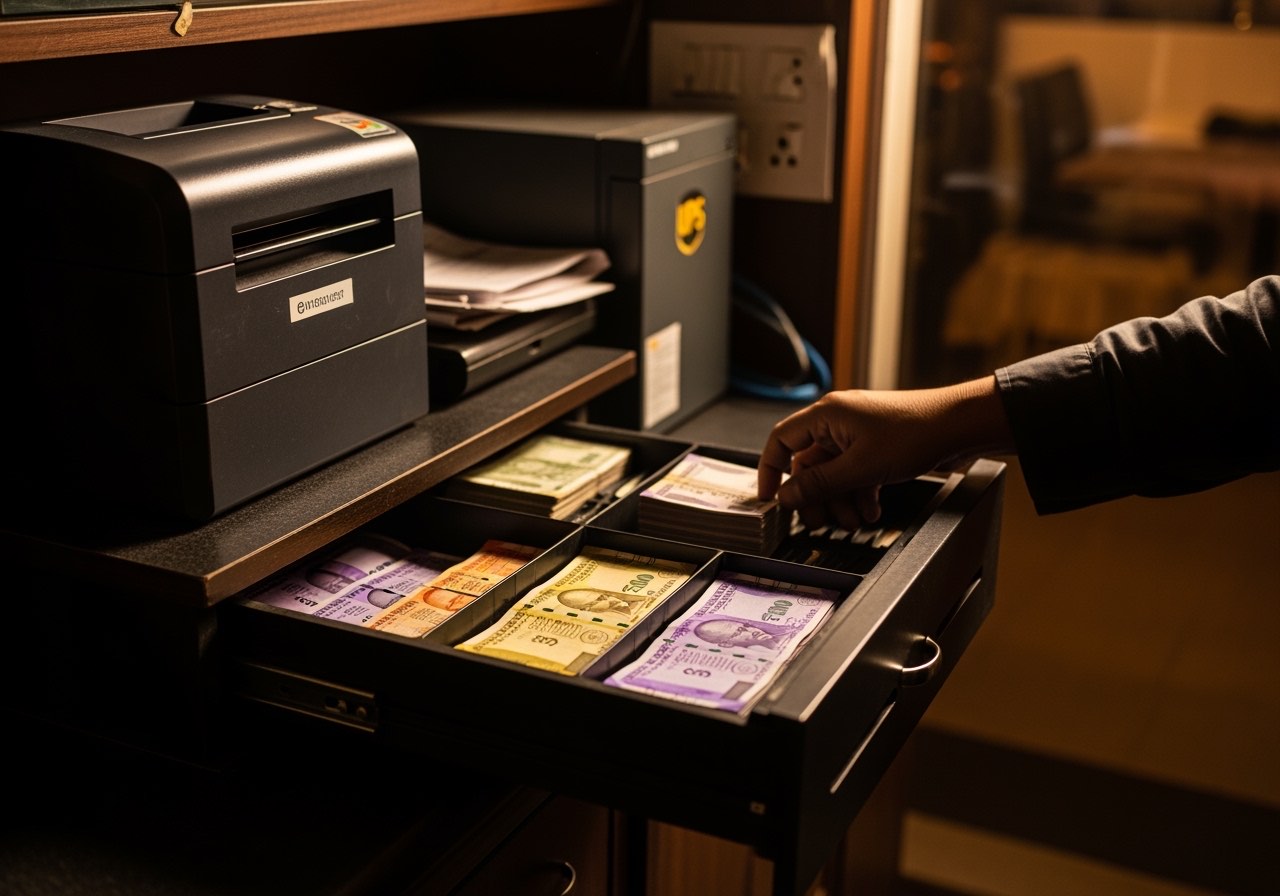
- Cash drawer with under-counter mount. RJ11 trigger from printer.
- Tablet or low-end PC for the cashier — Android tablet for tap-and-go; mini-PC + monitor if there's heavy data entry.
- UPS — non-negotiable. A 30-minute UPS on the POS + printer survives a power dip without breaking a bill mid-print.
- A second printer for the customer copy at the counter, if your bill volume justifies it.
All five POS options listed work on this stack. Don't let a vendor sell you proprietary hardware unless you're going Toast-style and want the polish.
Closing recommendation
For a small Indian restaurant in 2026 — single outlet, 20-60 covers — Petpooja remains the default for good reasons. Pick it unless you have a specific reason to pick one of the other four (chain ambition, brand-led concept, premium positioning, or a broken daily-close that a wedge tool fixes). Whatever you pick, audit the cash-close and aggregator-payout layers separately — that's where small outlets lose more money than they lose to POS subscription fees.
Related on Restaurant Daily
One operator playbook a week, in your inbox.
Cash close, petty cash, payroll, compliance, unit economics — sent every Monday morning. No spam, no upsell drip. Unsubscribe in one click.
Sent from noreply@restaurantdaily.ai. We never share your address.
Related reading
Razorpay POS vs Paytm POS for restaurants — MDR, settlements, hardware
Razorpay POS vs Paytm POS for Indian restaurants — MDR rates, settlement cycles, hardware, dispute handling, and which payment terminal fits which outlet shape.
Dukaan vs Petpooja menu app for restaurants — direct ordering vs full POS
Honest comparison of Dukaan and Petpooja for Indian restaurants — direct WhatsApp/web ordering vs full POS, when each makes sense, and how some operators use both.
WATI vs AiSensy for restaurant WhatsApp marketing — pricing, templates, deliverability
Honest comparison of WATI and AiSensy for Indian restaurants running WhatsApp marketing — template approval, broadcast quality, automation, pricing posture, and who picks which.
Swiggy partner vs Zomato partner dashboards — what each shows, what's missing
Side-by-side of the Swiggy and Zomato restaurant partner dashboards in 2026 — sales, ratings, ad spend, payout reconciliation, and the gaps both leave for operators.
Tally vs Zoho Books for restaurant accounting in India — which fits which scale
Tally Prime vs Zoho Books for Indian restaurant accounting — GST filing, multi-outlet, CA workflow, and where each fits the size of your operation.