Tier-2 Indian city restaurant daily ops — what changes vs metro (staffing, supply, margins)
Tier-2 Indian city restaurant daily ops vs metro — what changes in staffing, supply chain reliability, ticket size, and margins. Operator-grade comparison and adjustments.
Last updated 9 Aug 2026
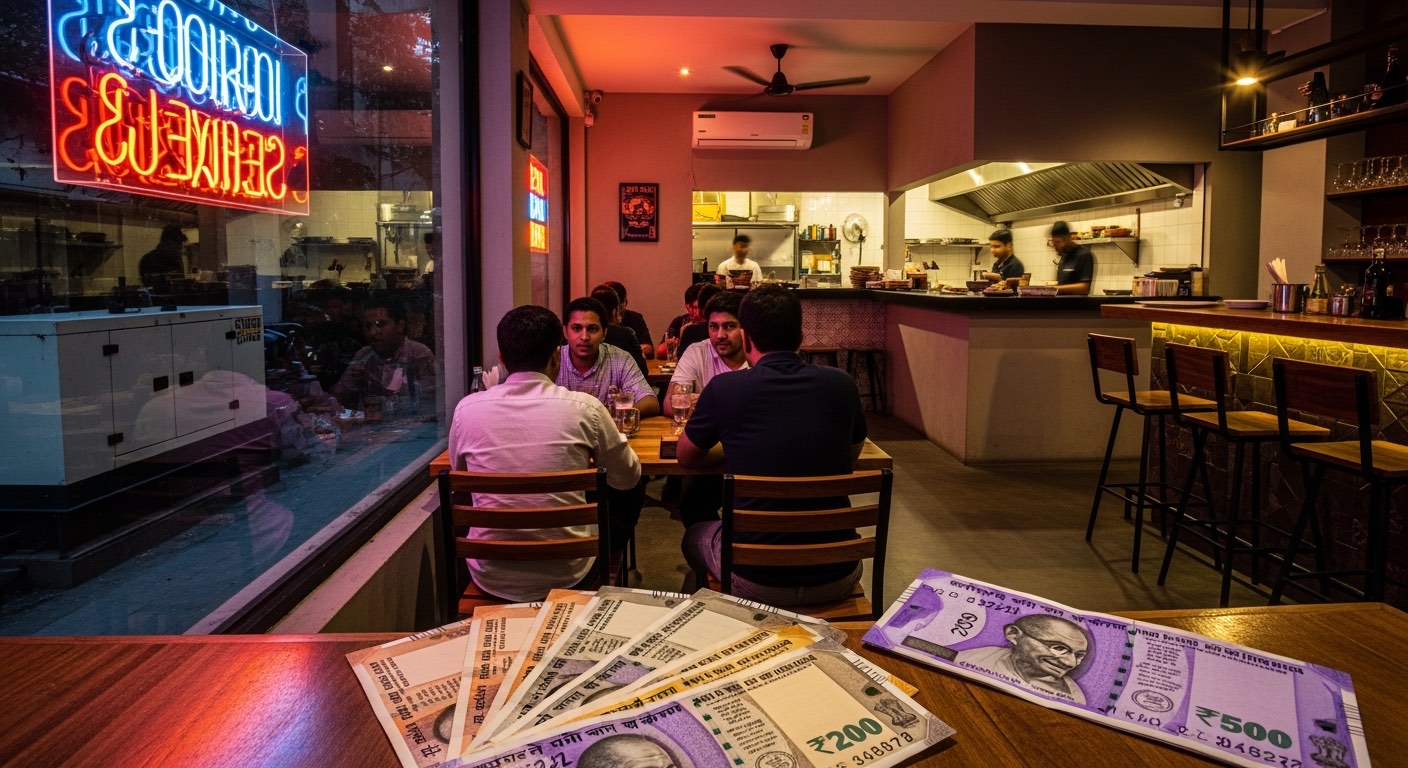
About this piece. A restaurant in Kanpur, Jaipur, Coimbatore, or Bhubaneswar doesn't operate like a Mumbai or Bangalore restaurant — and most "best practices" content quietly assumes metro operating conditions. Supply reliability, labour pool, customer ticket size, aggregator penetration, and even electricity availability all differ. This piece lays out what actually changes in tier-2 Indian city restaurant daily ops, and how the standard ops toolkit needs to be adjusted.
What "tier-2" actually means in restaurant operations
Tier classifications aren't standardised in restaurant context. For operations purposes, this piece uses:
- Tier-1 / metro: 8 cities — Mumbai, Delhi NCR, Bangalore, Hyderabad, Chennai, Kolkata, Pune, Ahmedabad
- Tier-2: ~40 cities — Jaipur, Lucknow, Kanpur, Nagpur, Indore, Bhopal, Surat, Vadodara, Coimbatore, Kochi, Visakhapatnam, Bhubaneswar, Patna, Ranchi, etc.
- Tier-3: 100+ cities — district headquarters with population 0.5–2 million
This piece focuses on tier-2; many points also apply to tier-3 with higher intensity.
The five real differences
1. Supply chain reliability is weaker
A Mumbai restaurant can place an order with a Hyperpure-equivalent vendor at 10pm and have stock by 8am next day. A Kanpur restaurant can't. Most vendors are local APMC-based suppliers with weekly settlement cycles, no SLA, and seasonal price volatility.
| Dimension | Metro | Tier-2 |
|---|---|---|
| Same-day delivery from B2B distributor | Standard | Rare |
| Cold-chain reliability | High | Medium (transit breaks) |
| Premium ingredient availability | High | Lower; sometimes 2–3 day order-ahead |
| Vendor SLA / contract terms | Standard | Trust-based; relationship-led |
| Price volatility (week-on-week) | 3–5% | 8–15% |
Adjustment: tier-2 restaurants need wider safety stock on top-moving SKUs (5–7 days vs metro's 2–3) and two backup vendors for every primary vendor on high-volume SKUs. Single-source dependency is risk you can't manage.
2. Labour pool is shallower at the skilled tier
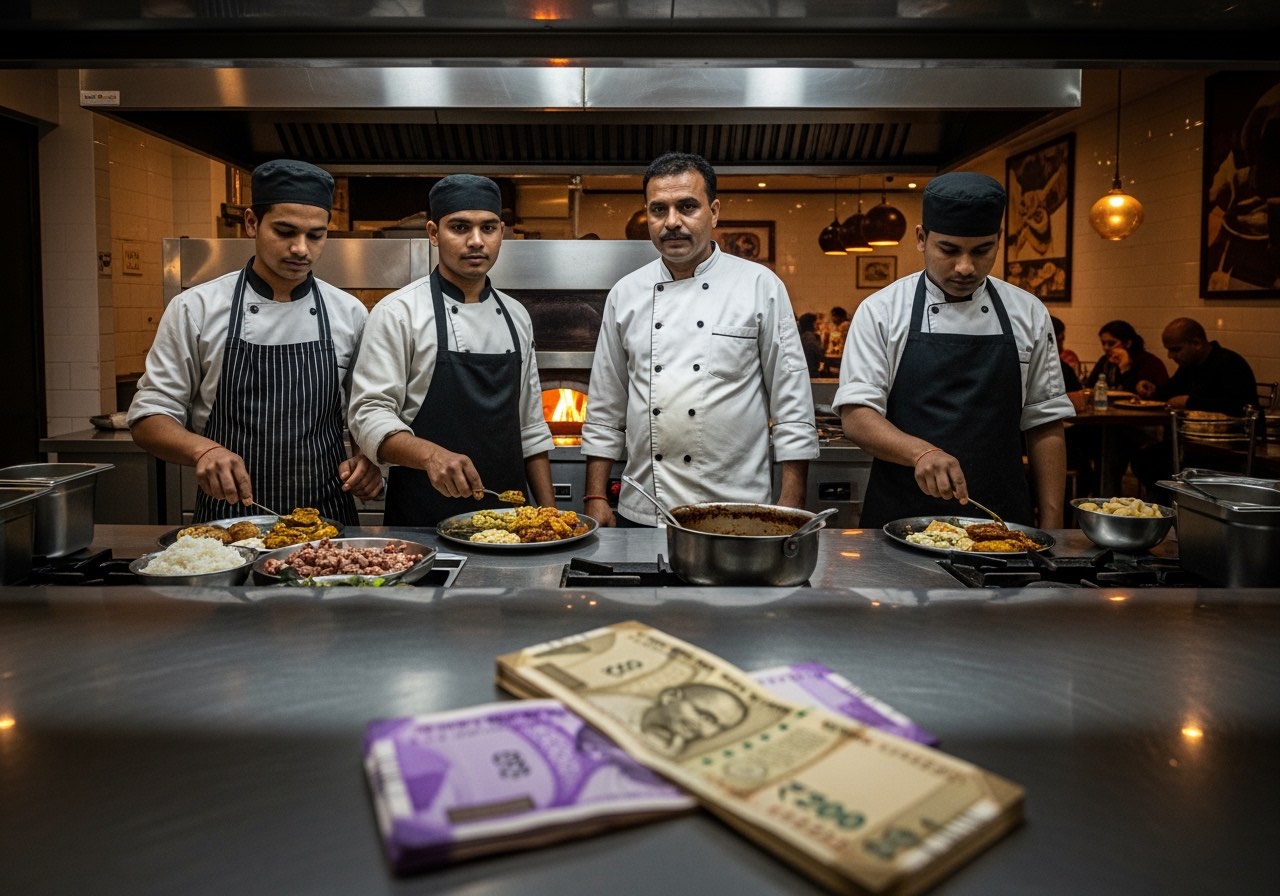
Cooks with experience in modern formats (continental, Asian fusion, bar) are scarce in tier-2. Wages for skilled head chefs in tier-2 can ironically be higher than for the equivalent role in tier-1 — because of scarcity, not cost of living. Helpers and dishwashers are easier and cheaper. Servers fall in the middle.
| Role | Metro wage (₹/month) | Tier-2 wage (₹/month) | Notes |
|---|---|---|---|
| Head chef (modern formats) | 60,000–1,20,000 | 45,000–1,40,000 | Tier-2 high end driven by scarcity |
| Cook (mid) | 22,000–32,000 | 16,000–25,000 | |
| Helper | 12,000–16,000 | 9,000–13,000 | |
| Server | 14,000–20,000 | 10,000–15,000 | |
| Cashier | 16,000–22,000 | 12,000–17,000 |
Adjustment: tier-2 restaurants need to invest in training rather than recruiting. The skilled head chef is found, paid, and retained; the rest of the brigade is trained internally from helper level. Recruitment-led staffing fails because the talent pool isn't there.
3. Ticket size and customer mix is different
Tier-2 average ticket is lower, but the mix is also different:
| Format | Metro avg ticket | Tier-2 avg ticket |
|---|---|---|
| Standalone QSR | ₹250–₹450 | ₹180–₹320 |
| Casual dining | ₹500–₹900 | ₹350–₹650 |
| Cafe | ₹300–₹550 | ₹220–₹400 |
| Fine-dine | ₹1,800–₹3,500 | ₹1,200–₹2,400 |
| Cloud kitchen (delivery) | ₹350–₹600 | ₹280–₹480 |
But customer frequency in tier-2 is often higher per regular — the restaurant is more of a neighbourhood institution and less of a once-a-quarter destination. Repeat rate at well-run tier-2 places is 50–60% within a quarter vs 30–40% at metro equivalents.
Adjustment: menu engineering for tier-2 prioritises menu breadth + value-tier items to capture frequent visits, and de-prioritises premium signature items unless the city specifically supports them.
4. Aggregator penetration is variable
Swiggy and Zomato cover ~700 cities between them, but operational depth varies. In Indore or Coimbatore aggregator penetration is metro-equivalent. In Patna or Ranchi delivery volume is materially lower; many restaurants still get 80%+ revenue from dine-in.
| City type | Aggregator share of revenue (well-run restaurant) |
|---|---|
| Metro | 30–50% |
| Top tier-2 (Indore, Lucknow, Coimbatore) | 25–40% |
| Mid tier-2 (Patna, Ranchi) | 10–25% |
| Tier-3 | 5–15% |
Adjustment: tier-2 restaurants should size aggregator-dependent investment (delivery packaging, separate prep stations, aggregator ad spend) to actual city-level penetration, not metro benchmarks. A Patna restaurant building a delivery-first kitchen layout is over-investing.
5. Margins are slightly better — for the well-run
Rent and labour costs are lower in tier-2. Food cost % is roughly similar (vendor prices are similar; some commodities cheaper, premium items pricier). The well-run tier-2 restaurant has 2–4 points of net margin advantage over the metro equivalent.
| Cost line (% of revenue) | Metro | Tier-2 |
|---|---|---|
| Food cost | 30–34% | 30–34% |
| Labour | 16–22% | 12–18% |
| Rent | 10–14% | 5–9% |
| Utilities | 5–7% | 6–9% (power volatility) |
| Marketing + commission | 10–14% | 6–10% |
| Other | 5–8% | 5–8% |
| Net margin (well-run) | 12–18% | 15–22% |
That margin advantage is real — but it evaporates fast at poorly-run tier-2 places because of supply volatility and the labour-training overhead.
What the daily ops toolkit looks like in tier-2
The toolkit is the same; the weightings shift:
| Tool | Metro weight | Tier-2 weight |
|---|---|---|
| Imprest float + DSR | Important | Critical (less digital, more cash) |
| PCV pad | Important | Critical (vendor udhaar heavier) |
| Weekly inventory audit | Important | Critical (price volatility) |
| Daily wastage log | Important | Important |
| Aggregator reconciliation | Critical | Variable (depends on city) |
| Vendor udhaar ledger | Moderate | Critical |
| Power-cut + generator log | Negligible | Important (in many cities) |
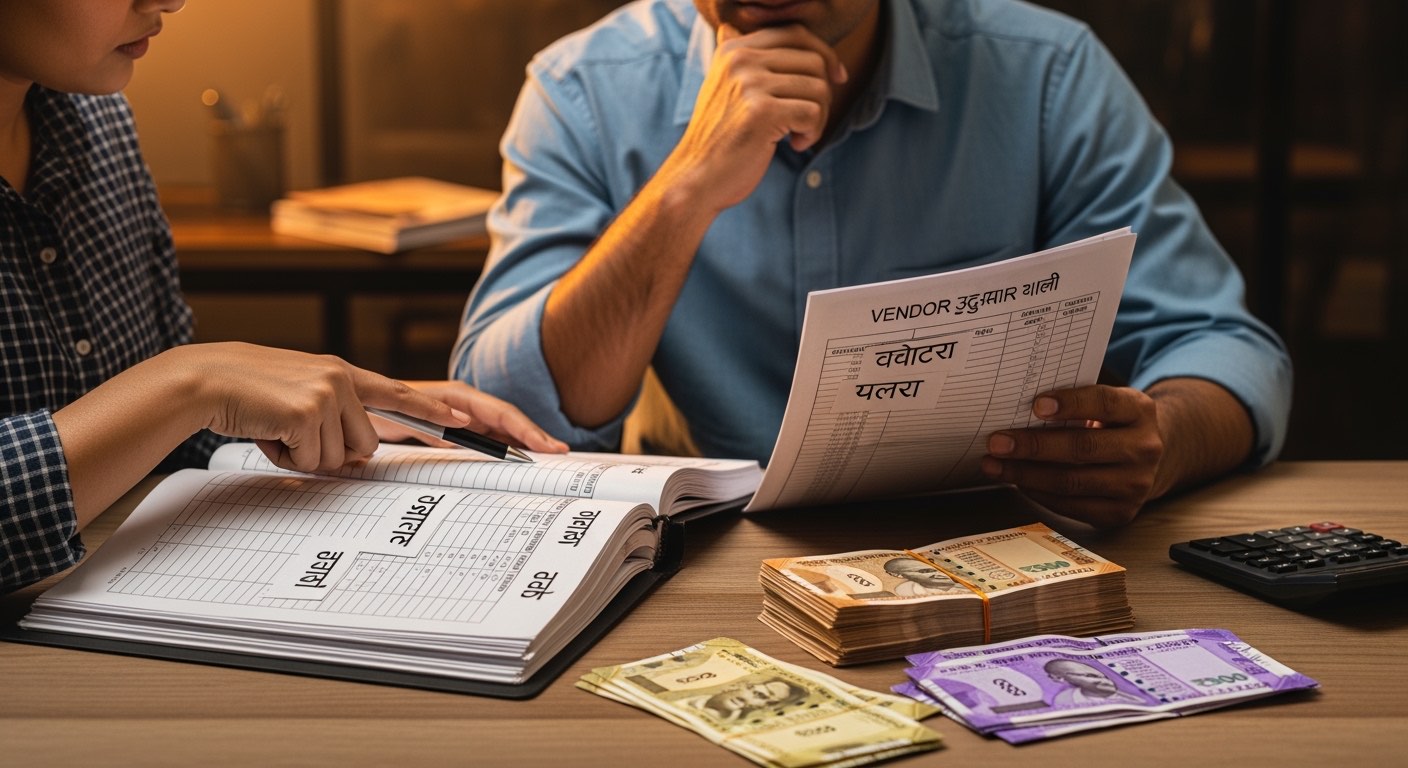
Vendor udhaar (credit) is the single biggest "small business operating layer" that metro coverage tends to underplay. In tier-2, your relationship with your सब्ज़ी, दूध, गैस, मीट vendors is a working-capital instrument. A disciplined udhaar bahi is as important as a DSR — sometimes more.
The power-cut adjustment
In many tier-2 (and most tier-3) cities, scheduled and unscheduled power cuts are part of operating reality. A 4-hour power cut during dinner service can kill the night.
The discipline:
- Generator (silent diesel) sized for kitchen + minimum lighting — typically 7.5–15 kVA for a 60–100-cover restaurant
- Generator log: hours of run per day + fuel consumed + run date. Monthly fuel cost can hit ₹15,000–₹40,000.
- Power-cut log entered on DSR: time start, time end, generator used Y/N, any revenue impact noted
- Service continuity rule: if generator can't sustain full kitchen + AC, AC goes off first, kitchen stays. Customers tolerate heat; they don't tolerate cold food.
Cash discipline is heavier in tier-2
UPI penetration is high everywhere now (post-2022 the gap closed substantially). But large-ticket vendor payments are still often cash in tier-2:
- गैस सिलेंडर refill — cash on delivery
- सब्ज़ी मंडी weekly settlement — cash, sometimes large bundles
- Skilled labour daily wages — cash
- Local repair/maintenance — cash
The PCV pad in tier-2 sees 30–40 entries a day vs 12–18 in a metro equivalent. Owner review of PCV stack on Sunday is non-negotiable — 2 hours, scanning every entry for category accuracy and signature presence. Without this the GL gets noisy fast.
Three tier-2-specific rules that aren't in metro playbooks
1. Build vendor redundancy as a system, not an exception
Metro thinking: "I have a primary vendor; backup when needed." Tier-2 thinking: "I have two vendors per critical SKU at all times; both get regular orders to keep relationships warm." Yes, it costs marginal price advantage. Yes, it's worth it the first time vendor A's truck breaks down on a Saturday morning before a busy night.
2. Train the brigade as a portfolio, not for the current menu
If your head chef leaves in tier-2, replacement may take 6–10 weeks. During that gap, your sous + senior cooks must be able to keep the kitchen running. Cross-training is risk management, not nice-to-have.
3. Honour the local festival calendar
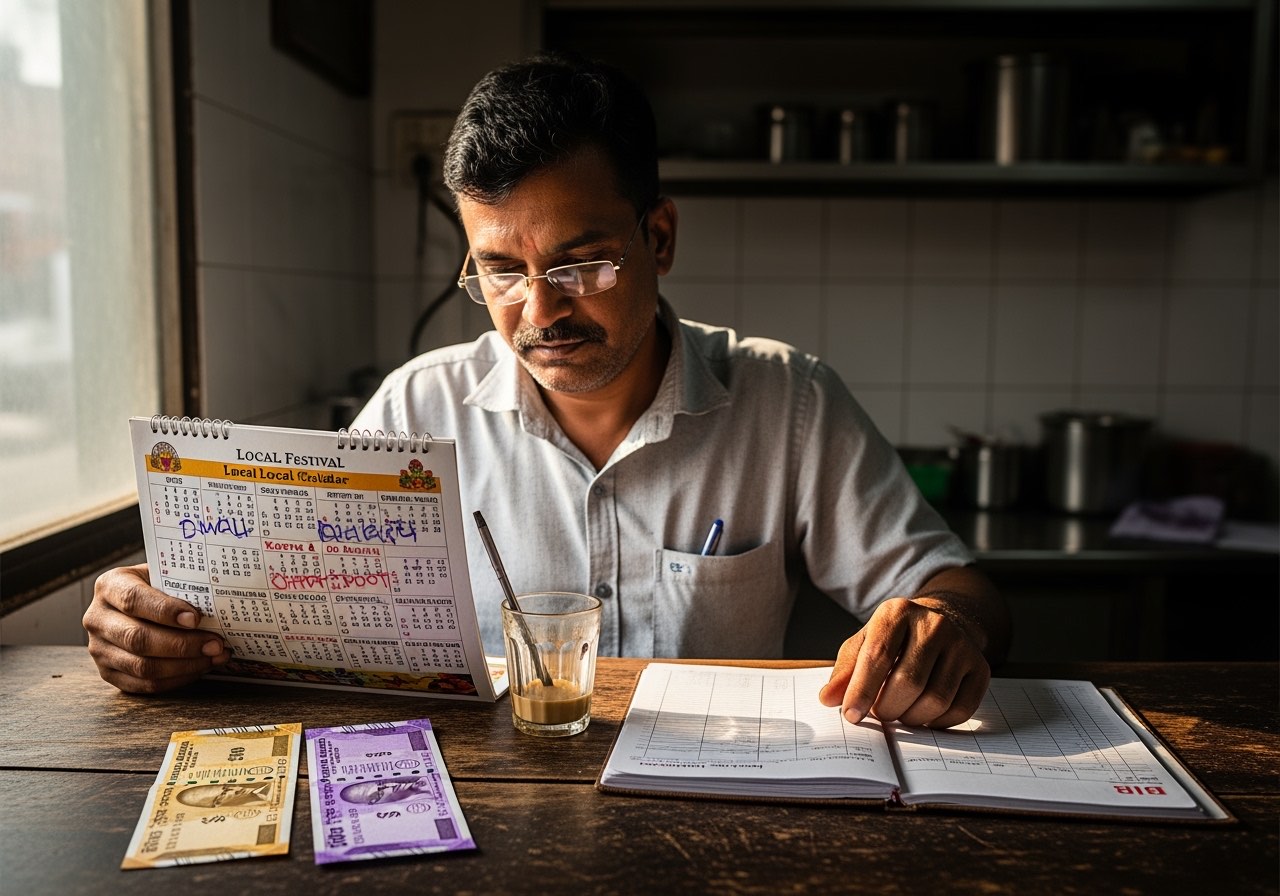
Tier-2 cities have heavier festival seasonality than metros — Karwa Chauth, Lohri, Pongal, Onam, Durga Puja, Eid, Diwali — depending on the city. Demand spikes 1.4–2.2× on these days. Staffing, inventory, prep must be planned to the local calendar, not a generic India-wide one. Get the calendar from your senior staff; they live in this city.
What to do this week
If you're running a tier-2 restaurant with a metro-derived playbook: audit your three biggest deviations from the toolkit above — vendor redundancy, vendor udhaar discipline, and generator/power-cut logging. Pick one, fix it this week. The other two over the next month.
If you're a metro operator thinking about tier-2 expansion: spend 5 days in the target city before finalising the format. Walk vendor markets, sit at competing restaurants, talk to local food bloggers. The format that wins in your metro home will not automatically win in tier-2 Lucknow or Coimbatore.
Related on Restaurant Daily
One operator playbook a week, in your inbox.
Cash close, petty cash, payroll, compliance, unit economics — sent every Monday morning. No spam, no upsell drip. Unsubscribe in one click.
Sent from noreply@restaurantdaily.ai. We never share your address.
Related reading
Fine-dine vs QSR operations in India — staffing, inventory cycles, margin maths
Fine-dine vs QSR operations in India compared — staffing ratios, inventory cycle, prep time, margin maths, and why running one like the other quietly destroys margin.
Cafe daily ops checklist (India) — opening, mid-day, closing rituals for a 30-seater
A cafe daily ops checklist for a 30-seater Indian cafe — espresso prep, milk pars, opening/mid-day/closing rituals, and the four leakage points specific to cafes.
Dukaan vs Petpooja menu app for restaurants — direct ordering vs full POS
Honest comparison of Dukaan and Petpooja for Indian restaurants — direct WhatsApp/web ordering vs full POS, when each makes sense, and how some operators use both.
Razorpay POS vs Paytm POS for restaurants — MDR, settlements, hardware
Razorpay POS vs Paytm POS for Indian restaurants — MDR rates, settlement cycles, hardware, dispute handling, and which payment terminal fits which outlet shape.
WATI vs AiSensy for restaurant WhatsApp marketing — pricing, templates, deliverability
Honest comparison of WATI and AiSensy for Indian restaurants running WhatsApp marketing — template approval, broadcast quality, automation, pricing posture, and who picks which.